
Our Promise
Safeguarding
Safeguarding is not simply a statutory responsibility. It is the foundation upon which everything else is built. This page explains our approach and how to raise a concern with us.
If a child is in immediate danger
Call 999 and ask for the police
Do not wait to contact us first. If there is no immediate danger but you believe a child is at risk of harm, contact the police on 101 or the children's services team at the local authority where the child lives.
Our approach
Everything else is built on this
Many of the young people and students who come to us have already had experiences that make trust hard to give. Keeping them safe is therefore not a separate workstream running alongside the teaching and mentoring. It is the condition that makes any of that work possible.
Our practice is built around the commitments listed here. Every member of staff is expected to understand them, and to know exactly what to do when something does not look right.
Our safeguarding commitments
- Full compliance with Keeping Children Safe in Education
- Safer recruitment procedures, including Enhanced DBS and Barred List checks
- Qualified Designated Safeguarding Leads and Deputy Designated Safeguarding Leads
- Trauma-informed practice across the organisation
- Clear safeguarding reporting and information-sharing procedures
- Close partnership working with schools, Local Authorities and external agencies
Safer recruitment
Who we let near a young person
Everyone who works with our young people and students, whether employed, contracted or delivering a specialist pathway, goes through the same recruitment checks before they start.
- Enhanced DBS and Barred List checks
- Identity, right to work and qualification verification
- References sought and followed up before a start date
- Safeguarding and child protection training as a condition of starting
- Ongoing supervision, with safeguarding standing on the agenda
Reporting a concern
How to raise a safeguarding concern with us
If you are worried about the safety or wellbeing of a young person connected to YoungEducation, contact our Designated Safeguarding Lead directly. You do not need to be certain, and you do not need to have evidence. Tell us what you have seen or heard and let us take it from there.
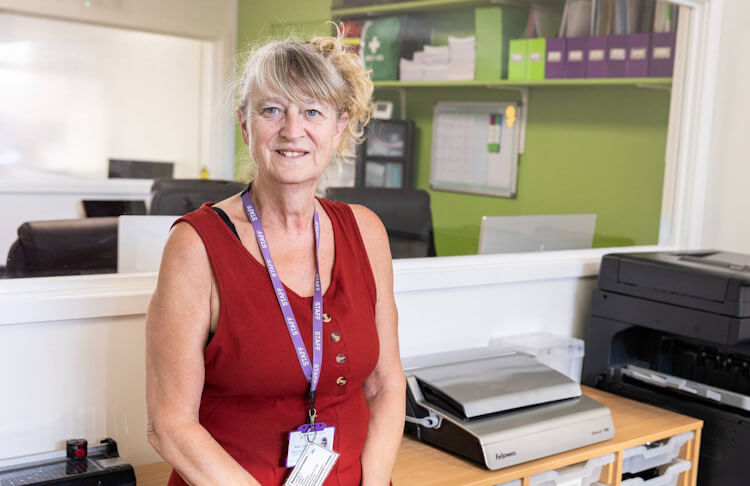
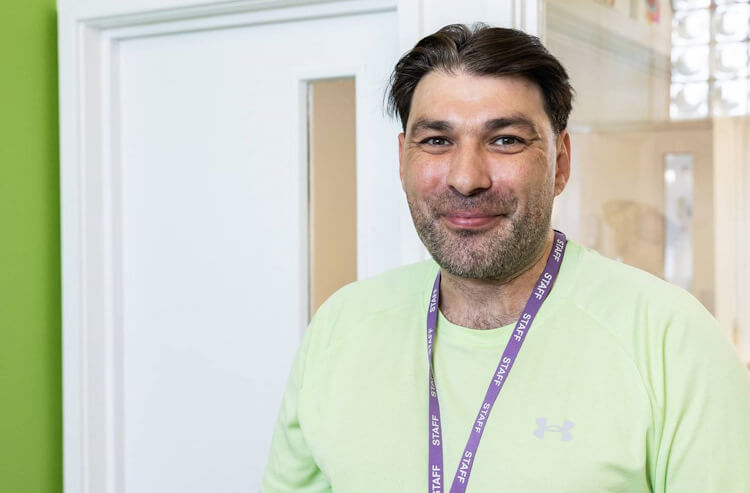
If you cannot reach either of the people above, call the YoungEducation team on 0800 888 6221 or email info@youngeducation.co.uk and ask to speak to the Designated Safeguarding Lead. Concerns are recorded and acted on in line with our Safeguarding and Child Protection Policy.
View our Safeguarding and Child Protection Policy
External support
Organisations that can help
You do not have to come to us first. These organisations offer independent advice and can act on a concern themselves.
Emergency services
999 if a child is in immediate danger.
101 for a non-emergency police report.
Report a crime online
NSPCC Helpline
Advice and support for any adult worried about a child.
0808 800 5000
help@nspcc.org.uk
Visit the NSPCC
Childline
Free, confidential support for children and young people, at any time.
0800 1111
Visit Childline
Local children's services
Every local authority has a duty to act on child protection concerns raised in its area.
Find a local council
External contact details were correct at the time of writing. Please check the organisation's own website for current opening hours.
Our safeguarding policies
Our Safeguarding and Child Protection Policy, along with our other published policies, is available in the policy library.